

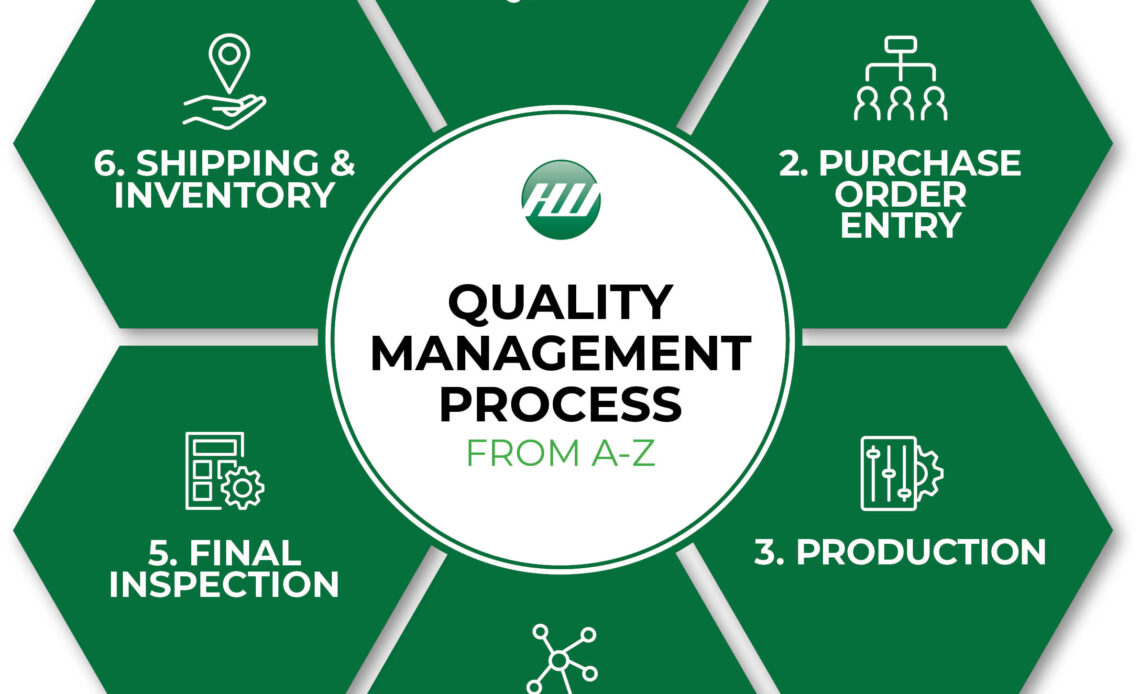
In competitive markets, reputation is built slowly and lost quickly. Customers, partners, and regulators form opinions based on product consistency, safety, and reliability. Quality control plays a central role in ensuring these expectations are met at every stage of production and service delivery. When implemented well, it protects not just individual products, but the long-term credibility of an entire industry.
Understanding Quality Control Beyond Compliance
Quality control is often misunderstood as a final inspection step. In reality, it is a continuous discipline that spans design, sourcing, production, and delivery.
Effective quality control focuses on:
-
Preventing defects rather than correcting them later
-
Maintaining consistent standards across batches and locations
-
Identifying process weaknesses before they affect customers
By embedding quality checks throughout operations, organizations reduce the risk of failures that can damage trust at scale.
How Quality Failures Harm Industry Reputation
When quality lapses occur repeatedly, the consequences extend far beyond a single company. Entire sectors can face skepticism from customers and regulators.
Common reputational risks include:
-
Product recalls that raise safety concerns
-
Inconsistent performance that frustrates customers
-
Regulatory penalties that signal weak governance
-
Negative media coverage that spreads quickly across markets
Once an industry becomes associated with unreliable quality, rebuilding confidence requires years of corrective effort.
Quality Control as a Trust-Building Mechanism
Strong quality control systems demonstrate accountability. They show stakeholders that organizations take responsibility for outcomes, not just output.
Quality control builds trust by:
-
Ensuring products meet defined specifications every time
-
Providing documented proof of testing and verification
-
Reducing customer complaints and warranty claims
-
Supporting transparent communication during issues
Over time, consistent quality becomes a competitive differentiator, not just an operational requirement.
The Role of Standardization in Reputation Protection
Standardized processes help organizations deliver predictable results, even as they scale.
Key benefits of standardization include:
-
Clear benchmarks for acceptable quality
-
Reduced dependency on individual judgment
-
Easier training and onboarding of new staff
-
Faster identification of deviations and root causes
Industries that align around shared quality standards tend to experience fewer systemic failures and greater public confidence.
Linking Quality Control to Brand and Industry Perception
Customers rarely separate product quality from brand integrity. One visible failure can influence how buyers perceive similar products across the market.
Quality control directly influences perception by:
-
Supporting consistent customer experiences
-
Reinforcing claims made in marketing and sales
-
Demonstrating ethical responsibility toward end users
-
Limiting reputational spillover from isolated incidents
When quality becomes part of the industry identity, it raises expectations and credibility for all participants.
Continuous Improvement and Long-Term Credibility
Quality control is not static. Industries that protect their reputation invest in continuous improvement, learning from defects, feedback, and near misses.
This approach involves:
-
Regular audits and performance reviews
-
Data-driven analysis of quality metrics
-
Cross-functional collaboration to resolve issues
-
Ongoing refinement of processes and controls
Continuous improvement ensures that quality systems evolve alongside market demands, technologies, and regulatory expectations.
Why Leadership Commitment Matters
Quality culture starts at the top. Without leadership support, quality control becomes a checkbox exercise rather than a protective strategy.
Leadership strengthens quality control by:
-
Allocating adequate resources for testing and training
-
Encouraging early reporting of issues without blame
-
Linking quality outcomes to performance evaluations
-
Communicating the importance of reputation protection
When leaders treat quality as a strategic priority, it shapes behavior across the organization.
Conclusion
Quality control is more than an operational safeguard. It is a reputation defense system that protects industries from widespread distrust and long-term damage. By preventing defects, reinforcing standards, and supporting continuous improvement, quality control helps industries earn and retain confidence in demanding markets.
Frequently Asked Questions (FAQs)
1. How does quality control differ from quality assurance?
Quality control focuses on detecting defects in outputs, while quality assurance emphasizes designing processes that prevent defects from occurring.
2. Can small businesses benefit from formal quality control systems?
Yes, even basic quality checks can reduce errors, improve consistency, and strengthen customer trust regardless of company size.
3. How does quality control impact customer loyalty?
Consistent quality reduces dissatisfaction and returns, encouraging repeat purchases and long-term customer relationships.
4. What role does data play in modern quality control?
Data helps identify trends, predict failures, and guide corrective actions before issues escalate.
5. How often should quality control processes be reviewed?
Reviews should occur regularly, especially after process changes, incidents, or shifts in customer expectations.
6. Does strong quality control increase operational costs?
While there is an upfront cost, effective quality control often lowers long-term expenses by reducing waste, rework, and recalls.
7. How can industries recover reputation after a quality failure?
Recovery requires transparent communication, corrective action, improved controls, and consistent performance over time.