

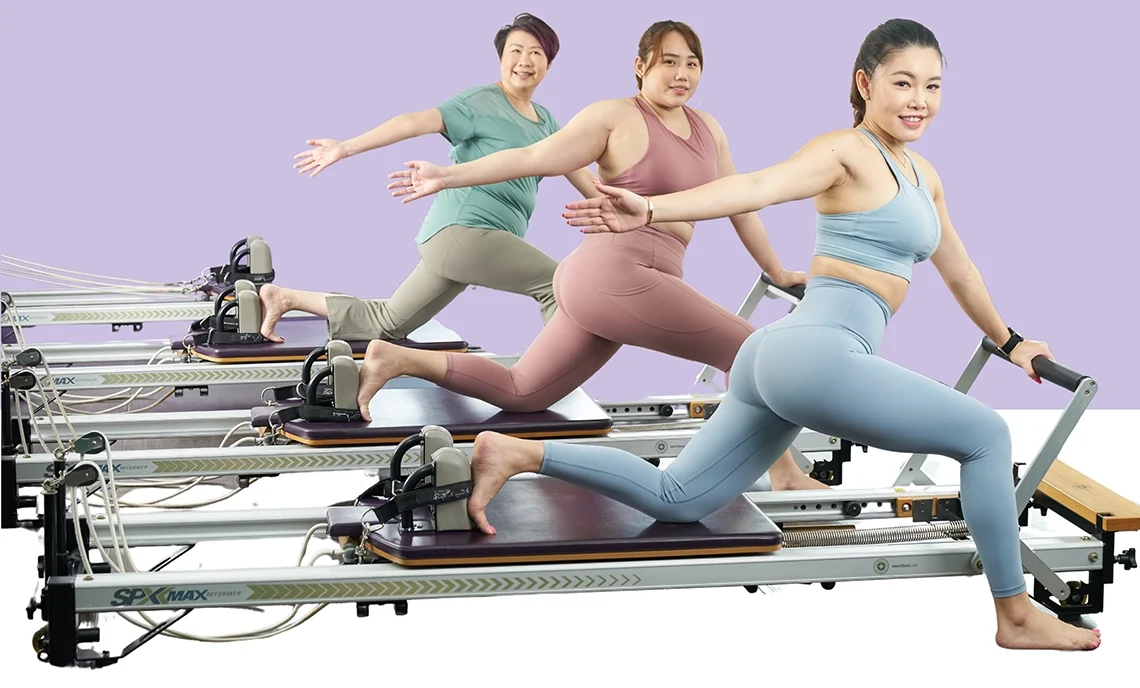
There is a gap between the way reformer Pilates studio ownership is portrayed on social media and the financial reality that studio operators actually navigate. The portrayals tend to emphasise the premium aesthetic, the loyal community, and the strong per-session revenue. The reality adds to this a capital investment requirement that is among the highest in the boutique fitness sector, an operating cost structure that includes several significant line items absent from conventional yoga studios, and a staffing challenge that is more acute than in most wellness formats.
None of this makes reformer pilates Singapore studio ownership a bad investment. Many Singapore operators have built genuinely profitable and professionally rewarding businesses in this space. But building one successfully requires going in with accurate financial understanding rather than the curated version that social media and franchise marketing tends to present.
The Capital Investment Reality
The reformer fleet is the single largest capital investment in any reformer Pilates studio, and its cost is significantly higher than most non-industry observers expect. Commercial-grade reformers, which are necessary for professional studio use due to their durability, safety certifications, and the liability exposure of using consumer-grade equipment with paying clients, are priced between 4,000 and 12,000 Singapore dollars each depending on the brand and specification.
A studio planning to run classes of eight reformers, a relatively modest class size for a commercial operation, needs to invest between 32,000 and 96,000 dollars in reformers alone before considering any additional apparatus. Studios that include additional Pilates equipment such as cadillacs, barrels, and chairs multiply this investment further.
The premium brands whose equipment is most trusted by Singapore’s training community and whose reputation with clients provides genuine marketing value sit at the higher end of this range. Opting for lower-cost alternatives reduces capital investment but introduces quality and reliability considerations that have downstream effects on instructor experience, client experience, and maintenance cost.
Fit-out costs for a reformer studio require specific considerations beyond standard commercial yoga studio fit-out. The flooring needs to support the reformer’s point loads without the spring or give that yoga flooring often incorporates. The ceiling height should accommodate the upright sitting and kneeling positions of reformer work without making clients feel cramped. The spatial allocation per reformer, which industry standards suggest should be approximately 8 to 10 square metres including circulation space, means that a commercially viable studio of eight reformers requires approximately 80 to 100 square metres of net usable studio space, plus ancillary areas.
The Ongoing Operating Cost Structure
The maintenance costs of commercial reformers are a recurring operating expense that distinguishes reformer studio economics from simpler equipment formats. Reformer springs, which are the primary consumable component, require replacement at intervals determined by usage intensity, typically every one to two years of heavy commercial use. Carriage wheels, foot straps, and shoulder rest upholstery are additional consumable components with finite service lives.
Professional reformer maintenance, performed by qualified technicians rather than in-house, is the appropriate standard for commercial operations and adds a service cost that studio operators need to budget for as a regular operating line rather than an exceptional expense.
Instructor cost is the other distinguishing operating expense. Qualified reformer Pilates instructors in Singapore command rates that reflect both the certification investment required and the genuine scarcity of experienced practitioners. Senior instructors at established studios are typically compensated at rates between 50 and 120 dollars per hour of teaching, with private session instructors commanding the higher end of this range. The instructor cost per session, as a proportion of session revenue, is higher in boutique reformer studios than in most yoga formats, which requires either premium pricing, high occupancy, or both to achieve viable margins.
The Revenue Model That Works
The studios in Singapore that have built financially sustainable reformer businesses have generally settled on a specific revenue model that balances class-based group revenue with private session revenue and supplementary income streams.
Group reformer classes, priced between 55 and 90 dollars per session depending on positioning, provide the revenue density that covers fixed overhead efficiently when occupancy is consistently above 70 to 75 percent. Achieving this occupancy requires both an adequate marketing investment in the early studio phase and the community development that converts trial participants into committed regular members.
Private reformer sessions, priced between 120 and 250 dollars per session, provide higher margin revenue that is less dependent on occupancy optimisation. Studios that have developed a strong private session practice, typically built around the therapeutic and specialist applications that group classes cannot serve, find that private revenue provides both financial resilience and the professional reputation that attracts serious practitioners to group classes as well.
Teacher training and continuing education programmes provide the third revenue pillar, with the additional benefit of developing the teaching talent pipeline that instructor scarcity makes strategically valuable.
Studios like Yoga Edition that have built sustainable reformer businesses in Singapore have done so through the combination of genuine instructional quality, financially disciplined operations, and the community development that converts the high capital investment of reformer studio establishment into the long-term loyalty that makes the investment worthwhile.