

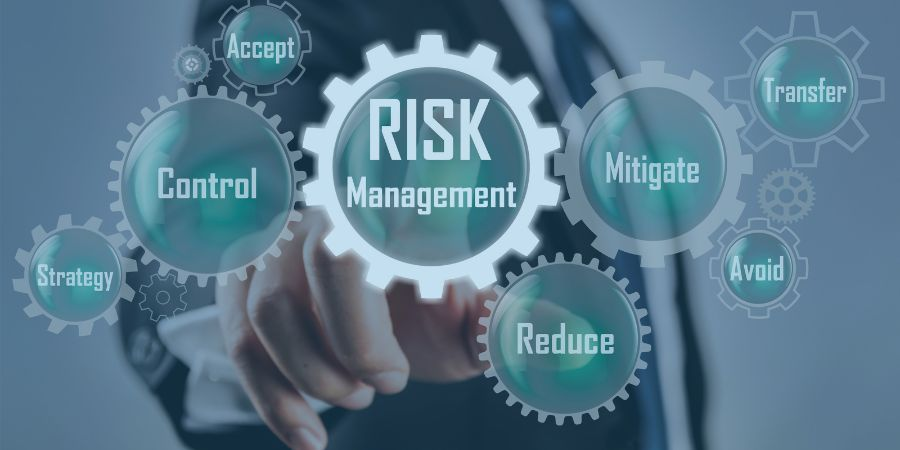
In the fast-paced world of startups, the ability to navigate uncertainty and manage risks is critical for survival and growth. While startups often thrive on innovation and bold decision-making, they also face a range of risks that can undermine their potential. These risks come in various forms, from financial and operational challenges to cybersecurity threats and market volatility. Understanding how to identify, assess, and mitigate these risks is not just important—it is essential for long-term success.
The landscape of risk management is evolving rapidly, and new trends are emerging to help startups better protect themselves against both known and unknown risks. As the business environment becomes increasingly complex, startups must adopt innovative, agile, and proactive risk management strategies. This article will explore the key trends in risk management that are shaping the startup world today and offer insights into how these trends can help startups not only survive but thrive in a challenging business climate.
1. Emphasis on Cybersecurity and Data Protection
One of the most pressing risks for startups today is cybersecurity. As businesses rely more heavily on digital platforms, data breaches, ransomware attacks, and other forms of cybercrime have become increasingly common. Startups, especially those with limited resources, are often seen as easy targets for cybercriminals due to their smaller security infrastructure. However, with the growing regulatory landscape around data privacy (such as GDPR and CCPA) and rising consumer awareness, cybersecurity risks have become a central concern for startups of all sizes.
The trend toward cybersecurity-focused risk management emphasizes the need for startups to implement robust data protection policies and invest in security infrastructure. Advanced tools such as end-to-end encryption, multi-factor authentication, and real-time threat monitoring are becoming standard in risk management practices. Moreover, many startups are outsourcing cybersecurity tasks to specialized providers who can offer more expertise and resources than an in-house team might be able to.
It’s also crucial for startups to foster a culture of cybersecurity awareness. Regular training for employees on how to recognize phishing attacks and how to protect sensitive data is a preventive measure that can significantly reduce risk. The goal is not just to protect company data but to safeguard customer trust—a critical asset in today’s competitive market.
2. Adoption of Agile Risk Management Frameworks
Traditional risk management frameworks often operate on a more rigid, long-term planning cycle, which is not always suitable for the fast-moving and highly uncertain environment of startups. As startups tend to be agile and often pivot quickly in response to market demands, an increasingly popular trend is the adoption of agile risk management frameworks.
Agile risk management is a dynamic approach that allows businesses to continuously monitor, assess, and respond to risks in real time. Instead of making fixed, long-term risk management plans, agile frameworks focus on iterative risk assessments and continuous adaptation. This flexibility enables startups to respond quickly to emerging threats or opportunities without being constrained by outdated risk mitigation strategies.
Tools such as project management software, real-time analytics, and collaborative platforms enable teams to track risks on a rolling basis and adjust plans as needed. The ability to pivot in response to new information, rather than sticking to a rigid plan, is crucial for startups that operate in highly volatile and unpredictable markets.
3. Integration of Artificial Intelligence and Machine Learning in Risk Assessment
The use of artificial intelligence (AI) and machine learning (ML) in risk management is an increasingly important trend, particularly for startups that want to stay ahead of potential threats. These technologies enable businesses to analyze vast amounts of data in real time, identify patterns, and predict future risks with a high degree of accuracy.
For example, AI-driven tools can assess market trends, identify potential financial risks, and even forecast customer behavior based on historical data. This allows startups to make more informed decisions about their risk exposure. In industries like fintech or e-commerce, AI can also help detect fraudulent activities and cybersecurity vulnerabilities before they become major problems.
Moreover, machine learning algorithms can continuously improve their predictions as they process more data, which means that risk management systems become more accurate and effective over time. For startups, integrating AI and ML into risk management systems provides a competitive edge, enabling them to anticipate problems before they escalate and act quickly to mitigate risks.
4. Focus on Financial Resilience and Diversification
Financial risks are perhaps the most tangible risks faced by startups. From securing funding to managing cash flow and navigating economic downturns, startups are often vulnerable to financial instability. In recent years, there has been an increasing emphasis on building financial resilience through diversification of revenue streams and funding sources.
One key aspect of this trend is the move toward a diversified funding strategy. Rather than relying solely on venture capital or traditional funding methods, startups are increasingly exploring alternative sources of capital, such as crowdfunding, angel investors, or even debt financing. This diversification helps protect against potential downturns in one funding source and ensures a more stable financial foundation.
Another trend is the prioritization of financial flexibility. This includes maintaining healthy cash reserves, reducing operational debt, and creating contingency plans for unforeseen financial setbacks. By focusing on long-term financial resilience and having multiple revenue streams, startups are better positioned to weather economic volatility and continue operations even in challenging times.
5. Regulatory Compliance and Environmental, Social, and Governance (ESG) Risks
Startups must also be aware of the regulatory landscape and the growing importance of Environmental, Social, and Governance (ESG) factors in risk management. Governments worldwide are increasingly imposing regulations related to environmental protection, data privacy, and labor practices, and failure to comply with these regulations can result in hefty fines, legal disputes, and reputational damage.
In addition to adhering to regulatory requirements, there is a growing expectation for businesses to integrate ESG factors into their operations. Investors, customers, and other stakeholders are demanding more accountability when it comes to environmental sustainability, social responsibility, and corporate governance. Startups that neglect these factors risk alienating customers, losing investor confidence, or being excluded from certain markets.
For startups, integrating ESG considerations into risk management not only helps with compliance but also improves the company’s brand reputation and appeal to socially-conscious investors. This includes evaluating supply chains for ethical sourcing, ensuring fair labor practices, and implementing sustainable business practices that reduce environmental impact.
6. Building a Risk-Aware Culture
Finally, an emerging trend in risk management for startups is the growing importance of creating a risk-aware culture within the organization. While the traditional approach to risk management often places responsibility in the hands of a few key individuals, startups are increasingly empowering their entire teams to recognize and mitigate risks.
This cultural shift means that risk management is no longer the sole responsibility of the CEO or CFO; it becomes a shared responsibility across all levels of the organization. Startups are investing in training programs that educate employees about risk, encourage proactive problem-solving, and foster an open environment where potential risks can be discussed and addressed collaboratively.
By embedding risk management into the company culture, startups can ensure that every team member is aligned with the organization’s risk mitigation strategies. This approach also allows startups to be more agile and responsive when unforeseen risks arise, as employees across the company are equipped to identify and address issues before they escalate.
Conclusion
Effective risk management is vital for startups navigating the complexities of today’s business environment. As the world of business becomes more unpredictable, emerging trends such as agile frameworks, AI-driven risk assessment, financial resilience, regulatory compliance, and a focus on ESG factors are reshaping the way startups approach risk. By embracing these trends, startups can mitigate potential threats, seize opportunities, and build a foundation for long-term success.
Ultimately, risk management is not just about protecting a business from harm; it’s about creating a strategic approach to uncertainty that enables startups to grow, innovate, and thrive in an increasingly volatile world. The key for startups is to adopt a proactive, flexible, and data-driven approach to risk, ensuring they are well-positioned to face whatever challenges lie ahead.