


Introduction
Choosing the right manufacturing partner is one of the most important decisions in electronics production. No matter how innovative a product design may be, poor manufacturing quality or unreliable service can lead to delays, increased costs, and product failures.
As the electronics industry becomes more competitive and production timelines become tighter, many businesses are turning to turnkey PCB assembly providers to simplify manufacturing and improve efficiency.
However, not all turnkey PCB assembly companies offer the same level of expertise, quality control, sourcing capability, or customer support. Selecting the wrong partner can create serious production problems that affect both product performance and business reputation.
Understanding what to look for in a reliable turnkey PCB assembly partner helps businesses make informed decisions and build long-term manufacturing success.
Companies seeking faster production cycles frequently invest in pcb assembly services to improve manufacturing efficiency and maintain product consistency. Expert assembly teams handle everything from sourcing components to final testing, helping businesses avoid costly production delays. Advanced PCB assembly solutions also ensure compliance with industry standards while supporting innovation in modern electronic device manufacturing.
What Is Turnkey PCB Assembly?
Turnkey PCB assembly is a complete electronics manufacturing solution where one provider manages the entire PCB production process.
Services typically include:
- PCB fabrication
- Component sourcing
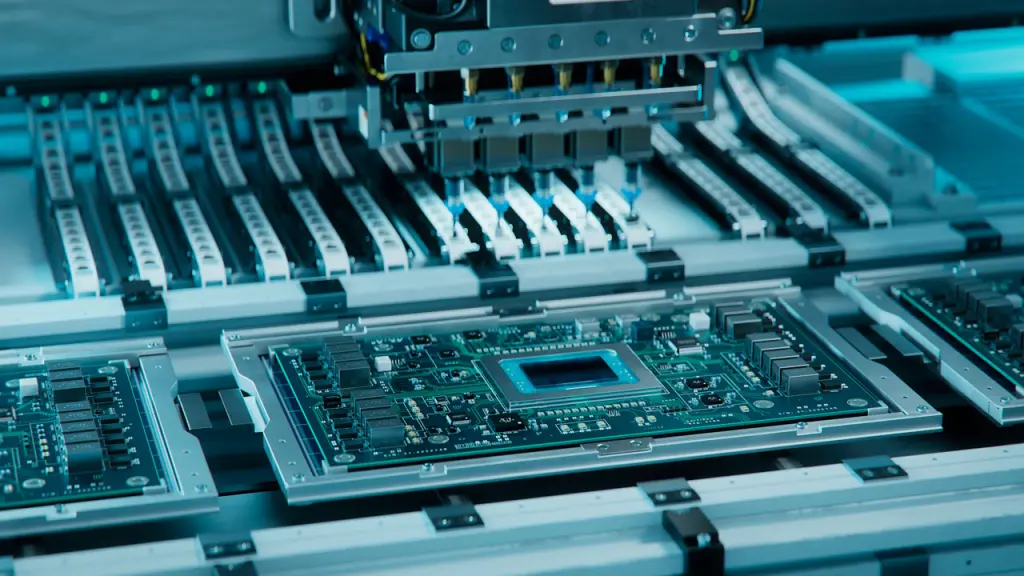
- SMT assembly
- Through-hole assembly
- Testing and inspection
- Final packaging and shipping
Instead of managing multiple vendors separately, businesses work with one manufacturing partner that coordinates all production stages.
This integrated approach improves efficiency, reduces complexity, and simplifies project management.
Why Choosing the Right Partner Matters
A turnkey PCB assembly provider plays a critical role in product quality, production speed, and overall manufacturing reliability.
An experienced partner can help businesses:
- Reduce production costs
- Accelerate time-to-market
- Improve product quality
- Prevent manufacturing errors
- Manage supply chain challenges
On the other hand, an unreliable manufacturer can create:
- Delayed shipments
- Defective products
- Poor communication
- Cost overruns
- Customer dissatisfaction
Careful supplier evaluation is essential before starting any PCB assembly project.
Industry Experience and Technical Expertise
One of the first things to evaluate is the manufacturer’s experience in PCB assembly and electronics production.
Experienced turnkey PCB assembly providers understand:
- Complex manufacturing processes
- Industry-specific requirements
- Quality assurance standards
- Supply chain management
- Design optimization techniques
Industry-Specific Knowledge
Different industries often have unique production requirements.
For example:
- Medical electronics require strict reliability standards
- Automotive systems demand high durability
- Aerospace products require advanced testing
- Consumer electronics focus on cost efficiency and scalability
A manufacturer with experience in your specific industry is more likely to understand your technical and regulatory needs.
Manufacturing Capabilities
A reliable turnkey PCB assembly partner should offer modern manufacturing capabilities that support both current and future production needs.
Important Capabilities to Consider
Look for providers that support:
- Surface Mount Technology (SMT)
- Through-hole assembly
- Mixed technology assembly
- Multi-layer PCBs
- HDI boards
- Fine-pitch components
- BGA assembly
Advanced manufacturing equipment improves assembly accuracy and production efficiency.
Production Scalability
Choose a manufacturer capable of handling:
- Prototype production
- Low-volume manufacturing
- Medium-scale assembly
- High-volume production
Scalable production support allows businesses to grow without changing suppliers later.
Strong Component Sourcing Network
Component procurement has become increasingly challenging due to global supply chain disruptions and semiconductor shortages.
A reliable turnkey PCB assembly provider should maintain strong sourcing capabilities.
What Good Sourcing Support Includes
Professional manufacturers should offer:
- Authorized supplier relationships
- Global procurement networks
- Counterfeit component prevention
- Alternative component recommendations
- Inventory forecasting support
Strong procurement systems reduce sourcing delays and improve production reliability.
Component Availability Management
An experienced provider can help businesses avoid problems caused by:
- Obsolete components
- Long lead times
- Supply chain shortages
- Price fluctuations
Effective sourcing management is essential for maintaining production schedules.
Quality Certifications and Standards
Quality control is one of the most important factors in PCB assembly.
A reliable turnkey PCB assembly company should follow internationally recognized manufacturing standards.
Important Certifications
Look for certifications such as:
- ISO 9001
- IPC standards compliance
- RoHS compliance
- UL certification
- ISO 13485 for medical electronics
- IATF 16949 for automotive applications
These certifications demonstrate commitment to quality and process control.
Testing and Inspection Capabilities
Comprehensive testing is critical for ensuring product reliability and preventing field failures.
A professional turnkey PCB assembly provider should offer multiple inspection and testing methods.
Essential Testing Services
Reliable manufacturers commonly perform:
- Automated Optical Inspection (AOI)
- X-ray inspection
- Functional testing
- In-circuit testing (ICT)
- Flying probe testing
- Burn-in testing
These procedures help identify manufacturing defects before products reach customers.
Why Testing Matters
Proper testing reduces:
- Product recalls
- Warranty claims
- Repair costs
- Customer complaints
- Production failures
High-quality testing systems improve both reliability and brand reputation.
Engineering and DFM Support
A good turnkey PCB assembly partner should provide engineering assistance during the design phase.
Design for Manufacturing (DFM)
DFM analysis helps optimize PCB designs for efficient production.
Manufacturers review:
- Trace spacing
- Component placement
- Thermal performance
- Via structures
- Solderability
Design for Assembly (DFA)
DFA optimization improves assembly efficiency and reduces defect risks.
Engineering support can prevent costly redesigns and improve manufacturing yields.
Communication and Customer Support
Clear communication is essential for successful PCB assembly projects.
Poor communication often leads to:
- Misunderstood specifications
- Production delays
- Incorrect revisions
- Assembly errors
What to Expect From a Reliable Manufacturer
Strong communication includes:
- Fast response times
- Dedicated project managers
- Regular production updates
- Transparent issue reporting
- Technical consultation support
A responsive manufacturer helps projects move smoothly from design to delivery.
Lead Times and Delivery Reliability
Meeting production deadlines is critical in the electronics industry.
Delays can impact:
- Product launches
- Customer commitments
- Revenue generation
- Market competitiveness
Evaluating Delivery Performance
Before choosing a turnkey PCB assembly provider, review:
- Average lead times
- Prototype turnaround speed
- On-time delivery rates
- Shipping capabilities
- Emergency production support
Reliable scheduling improves production planning and inventory management.
Transparent Pricing Structure
Cost control is important, but the cheapest option is not always the best choice.
Some manufacturers offer low initial pricing but include hidden charges later.
What Transparent Pricing Should Include
Reliable quotations should clearly outline:
- PCB fabrication costs
- Component pricing
- Assembly fees
- Testing charges
- Shipping costs
- Tooling expenses
Transparent pricing helps businesses accurately estimate production budgets.
Ability to Handle Complex PCB Designs
Modern electronics are becoming smaller and more advanced.
A capable turnkey PCB assembly provider should support complex technologies such as:
- Fine-pitch components
- BGAs
- Multi-layer boards
- High-frequency PCBs
- Flexible PCBs
- Rigid-flex assemblies
Advanced manufacturing expertise ensures compatibility with future product innovations.
Data Security and Intellectual Property Protection
Many electronic products contain proprietary technologies and confidential design information.
Businesses should ensure their turnkey PCB assembly partner maintains strong data protection policies.
Security Considerations
Look for manufacturers that provide:
- Non-disclosure agreements (NDAs)
- Secure file transfer systems
- Controlled production access
- Intellectual property protection policies
Protecting sensitive information is essential for long-term business security.
Global Logistics and Supply Chain Support
International manufacturing often requires reliable logistics coordination.
A strong turnkey PCB assembly provider should support:
- Global shipping
- Customs documentation
- Inventory management
- Warehousing services
- Drop shipping
Efficient logistics improve delivery reliability and customer satisfaction.
Reputation and Customer Reviews
A manufacturer’s reputation often reflects the quality of its services.
Before selecting a turnkey PCB assembly provider:
- Read customer reviews
- Request case studies
- Check industry references
- Evaluate long-term client relationships
Positive customer feedback is a strong indicator of manufacturing reliability.
Long-Term Partnership Potential
PCB assembly is rarely a one-time project.
As products evolve and production volumes grow, businesses benefit from long-term manufacturing relationships.
A reliable turnkey PCB assembly partner should support:
- Product revisions
- Production scaling
- Continuous improvement
- Engineering collaboration
Long-term partnerships create better efficiency and stronger manufacturing consistency.
Conclusion
Selecting the right turnkey PCB assembly partner is essential for ensuring product quality, manufacturing efficiency, and long-term business success.
A reliable provider should offer strong technical expertise, advanced manufacturing capabilities, robust quality control systems, responsive communication, and dependable supply chain management.
By carefully evaluating certifications, sourcing capabilities, testing procedures, engineering support, and production scalability, businesses can reduce manufacturing risks and improve product reliability.
As electronics manufacturing becomes increasingly complex, partnering with an experienced turnkey PCB assembly company can provide a major competitive advantage in today’s fast-moving technology market.