


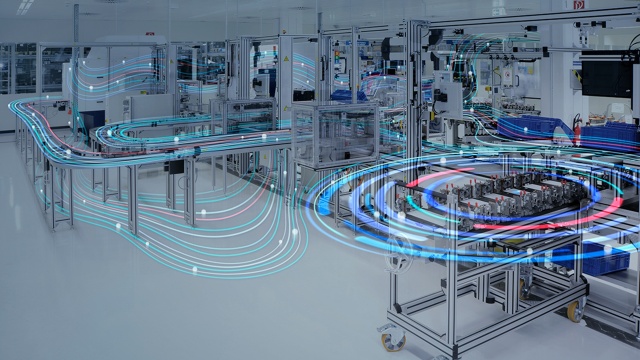
Manufacturing automation is no longer a futuristic concept; it is a present-day reality that is reshaping industries around the globe. From automotive assembly lines to electronics production, automation has infiltrated virtually every aspect of the manufacturing sector, driving efficiencies, reducing costs, and enhancing productivity. However, as we dive deeper into the fourth industrial revolution—often referred to as Industry 4.0—understanding how automation works and its broader implications is essential for anyone looking to grasp the future of manufacturing.
In this article, we will explore the fundamental principles of manufacturing automation, its key components, and how it’s revolutionizing the sector, from production lines to supply chains. We will also touch on the challenges businesses must consider and what the future holds for manufacturing automation.
Defining Manufacturing Automation
At its core, manufacturing automation refers to the use of various control systems—such as computers, robots, and information technologies—to operate equipment in manufacturing plants. These systems are designed to control and monitor production processes, reducing the need for human intervention in routine and repetitive tasks. Automation spans a broad range of functions, including assembly lines, material handling, packaging, testing, and even warehouse management.
While the term “automation” might evoke images of robotic arms assembling cars on a production line, its scope extends far beyond that. Automation technologies can range from simple mechanical systems, such as conveyor belts, to advanced, AI-driven systems that predict equipment failure and make decisions about optimal production methods.
The Key Components of Manufacturing Automation
-
Robotics and Automated Machinery
Robotics plays a central role in manufacturing automation. Industrial robots, for example, are used to perform repetitive tasks such as welding, painting, and assembling components. These robots are equipped with advanced sensors and AI algorithms, enabling them to carry out complex tasks with high precision and speed.Moreover, collaborative robots (cobots) are becoming increasingly popular. Unlike traditional robots, which are often confined to cages for safety reasons, cobots work alongside human operators, performing tasks that complement human skills. This collaboration fosters greater flexibility, making automation more accessible to smaller manufacturers.
-
Control Systems and PLCs
A significant part of automation involves the control of machinery and systems. Programmable Logic Controllers (PLCs) are widely used in manufacturing to monitor and control machines. These digital computers are programmed to execute specific commands based on inputs from sensors or human operators, ensuring the production process runs smoothly.For example, a PLC might monitor the temperature of a machine, ensuring it doesn’t overheat, and automatically adjust the settings to maintain optimal performance. These control systems are crucial for minimizing downtime and preventing costly errors that could arise from human mistakes.
-
Artificial Intelligence and Machine Learning
The integration of AI and machine learning into manufacturing automation is one of the most transformative trends in the industry. AI-driven systems can analyze vast amounts of data generated by machinery and sensors to predict equipment malfunctions, improve supply chain management, and optimize production schedules.For instance, predictive maintenance uses AI algorithms to analyze patterns in machine performance and predict when a piece of equipment is likely to fail, allowing manufacturers to perform maintenance before a breakdown occurs. This not only saves money but also reduces downtime and extends the lifespan of equipment.
-
Internet of Things (IoT)
The Internet of Things has significantly contributed to the growth of manufacturing automation. IoT devices collect real-time data from machinery, sensors, and even workers on the production floor. This data can then be used to monitor production performance, improve quality control, and enhance decision-making.IoT-enabled machines can communicate with each other, making the entire production process more connected and responsive. For example, an IoT-enabled sensor might detect that a component on a machine is wearing out and automatically order a replacement, ensuring minimal disruption to the production process.
-
Automation Software
Advanced software platforms help manufacturers manage their automated systems. These software systems provide an interface through which operators can monitor performance, make adjustments, and troubleshoot issues. They can also help streamline scheduling, inventory management, and workflow processes, making automation more effective and efficient.For example, Manufacturing Execution Systems (MES) software integrates with PLCs and IoT devices to track production progress, monitor real-time data, and identify inefficiencies. These systems help manufacturers make informed decisions, optimize workflows, and maintain quality control throughout the production process.
Benefits of Manufacturing Automation
-
Increased Efficiency and Productivity
One of the most significant advantages of automation is the increase in efficiency. Automated systems can work continuously, 24/7, without breaks, fatigue, or the need for shift changes. As a result, manufacturers can produce more goods in less time, leading to higher productivity levels.Furthermore, automation minimizes human error, which can lead to defects or delays. Machines and robots are far more precise than humans when performing repetitive tasks, which enhances overall production quality and consistency.
-
Cost Savings
Although the initial investment in automation systems can be significant, the long-term cost savings are considerable. By reducing the need for manual labor and minimizing waste, automation can significantly lower operational costs. For example, robotic automation can reduce labor costs, especially in industries where tasks are repetitive and physically demanding.Additionally, predictive maintenance powered by AI can prevent costly equipment breakdowns, reducing downtime and repair costs. As a result, the return on investment (ROI) for automation systems can be realized in a relatively short period.
-
Improved Safety
Manufacturing environments, particularly in industries such as automotive or heavy machinery, can be hazardous. Automation can help mitigate safety risks by taking over dangerous tasks such as lifting heavy loads or working in extreme temperatures.Robotics, for example, can perform hazardous tasks that would otherwise put human workers at risk, such as welding, painting, or working with toxic substances. This not only improves workplace safety but also reduces the likelihood of workplace injuries and the associated costs.
-
Enhanced Quality Control
Automation allows for greater consistency in production processes, resulting in higher-quality products. Machines and robots are designed to execute tasks with precision, reducing variability that might arise from human error.Additionally, automated systems can continuously monitor quality during production. Advanced sensors and vision systems can detect defects in real-time, stopping the production line if necessary to address issues before they escalate.
Challenges in Implementing Manufacturing Automation
-
High Initial Investment
The upfront cost of implementing automation technology can be prohibitive for small and mid-sized manufacturers. While automation can yield long-term savings, the initial capital investment in robots, software, and control systems can be a barrier to entry. -
Skills Gap
The implementation of advanced automation technologies requires a workforce skilled in areas such as robotics, AI, and system integration. There is a growing demand for workers with technical skills in these fields, and the shortage of qualified talent can hinder the successful adoption of automation. -
Integration with Legacy Systems
Many manufacturing companies still rely on legacy systems that may not be compatible with modern automation technologies. Integrating new automation systems with existing infrastructure can be complex, requiring significant investment in both time and resources.
The Future of Manufacturing Automation
The future of manufacturing automation looks promising, with continuous advancements in AI, robotics, and IoT. As automation technology becomes more affordable and accessible, we can expect an even wider adoption of smart factories where machines, robots, and humans collaborate seamlessly to achieve greater efficiency, flexibility, and innovation.
Moreover, as sustainability becomes a priority for manufacturers, automation will play a key role in optimizing energy consumption, reducing waste, and improving overall environmental performance.
Conclusion
Manufacturing automation is an essential component of the modern industrial landscape. By leveraging robotics, AI, IoT, and advanced control systems, manufacturers can streamline their operations, reduce costs, and improve product quality. Although the journey to automation comes with challenges—such as high initial costs and the need for skilled labor—the long-term benefits far outweigh these hurdles. As we look to the future, automation will continue to evolve, driving the next wave of industrial innovation and setting the stage for smarter, more efficient manufacturing processes worldwide.