


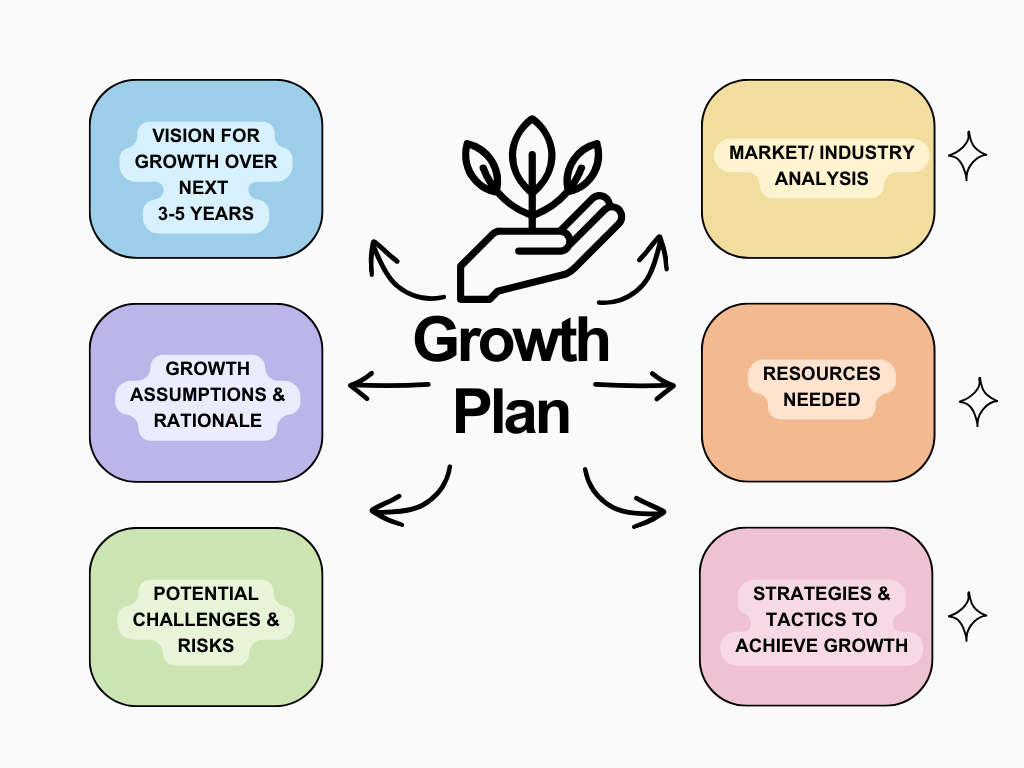
Rapid growth can unlock new revenue, market reach, and innovation. Yet without operational stability, expansion often leads to inefficiencies, quality gaps, and internal strain. Across sectors, industries are learning that sustainable success depends on scaling responsibly while keeping core operations steady, predictable, and resilient.
Today’s organizations are shifting away from growth-at-all-costs thinking and adopting structured approaches that protect performance even as complexity increases.
Why Growth Often Disrupts Stability
Growth introduces pressure across nearly every operational layer. Systems that worked for smaller volumes may struggle when demand increases. Teams face heavier workloads, and decision-making becomes slower as organizations expand.
Common challenges include:
-
Process bottlenecks caused by manual workflows
-
Inconsistent service or product quality
-
Rising costs that erode profit margins
-
Limited visibility into performance metrics
Industries that recognize these risks early are better positioned to grow without sacrificing control.
Building Scalable Operating Models
One of the most effective ways industries balance growth with stability is by designing operations that scale smoothly.
Key practices include:
-
Standardizing core processes to reduce variation and errors
-
Documenting workflows so new teams can onboard quickly
-
Separating strategic decisions from routine execution
This approach allows organizations to expand capacity without reinventing systems each time they grow.
Leveraging Technology Without Overcomplication
Technology plays a central role in maintaining operational balance, but successful industries apply it selectively.
Rather than adopting tools in isolation, they focus on:
-
Integrated systems that share data across departments
-
Automation of repetitive tasks to reduce human error
-
Real-time reporting to support faster, data-driven decisions
The goal is not maximum automation, but better control, consistency, and transparency as operations scale.
Strengthening Workforce Structures
People remain critical to operational stability, even in highly automated industries. Growing organizations invest in workforce strategies that support both performance and adaptability.
Effective approaches include:
-
Clear role definitions to avoid overlap and confusion
-
Continuous training programs aligned with new processes
-
Empowered frontline teams that can resolve issues quickly
Stable growth depends on teams that understand expectations and can adapt as responsibilities evolve.
Managing Risk While Expanding
As industries grow, exposure to financial, operational, and compliance risks increases. Leaders are responding by embedding risk management directly into growth plans.
This often involves:
-
Scenario planning to test operational limits
-
Diversifying suppliers and partners to reduce dependency
-
Regular performance audits to identify weak points early
By addressing risk proactively, industries reduce disruptions that could derail expansion.
Using Data to Balance Speed and Control
Data-driven decision-making helps organizations strike the right balance between moving fast and staying stable.
Industries are prioritizing:
-
Key performance indicators tied to efficiency and quality
-
Predictive analytics to anticipate operational strain
-
Cross-functional dashboards that promote shared accountability
Reliable data ensures that growth decisions are grounded in operational reality, not assumptions.
Creating Feedback Loops for Continuous Adjustment
Operational stability is not static. Industries that manage growth well continuously refine how work gets done.
They achieve this by:
-
Collecting feedback from employees and customers
-
Reviewing processes after major growth milestones
-
Making incremental improvements instead of large disruptions
This mindset keeps operations resilient even as scale and complexity increase.
The Long-Term View on Sustainable Growth
Industries balancing growth with stability understand that progress is cumulative. Strong foundations allow organizations to expand confidently without compromising reliability, trust, or performance.
By aligning people, processes, technology, and data around clear operational priorities, businesses can grow at a pace their systems can support.
Frequently Asked Questions
1. Why is operational stability important during rapid growth?
Operational stability ensures that increased demand does not lead to quality issues, delays, or rising costs that can undermine long-term success.
2. Can small organizations focus on stability before growth?
Yes. Building stable processes early makes future scaling smoother and reduces the risk of costly rework later.
3. How do industries decide when operations need restructuring?
Signs include frequent delays, inconsistent outputs, rising error rates, and limited visibility into performance metrics.
4. Does automation always improve operational stability?
Not always. Automation is effective when aligned with well-defined processes and integrated systems.
5. How can leadership support stable growth?
By setting realistic growth targets, investing in systems and people, and monitoring operational health alongside revenue goals.
6. What role does data play in balancing growth and stability?
Data helps organizations detect strain early, prioritize improvements, and make informed decisions as operations scale.
7. Can operational stability slow down innovation?
When designed well, stability actually supports innovation by freeing teams from constant firefighting and enabling focused experimentation.